Guarding Safety, Purity in Every Drop – Aflatoxin Detection in Edible Oil Transportation

Recently, the New Beijing News exposed the incident of cooking oil shipment by coal oil tanker trucks which was widely publicized. The state has set up a special working group for this purpose, to carry out a full-process problem investigation of the safe transportation and regulation of bulk cooking oil. Food safety is a major livelihood issue, and the act of tanker truck mixing can lead to edible oil being directly contaminated by chemical liquids. At the same time, in order to save money, many transportation vehicles do not clean the tank for a long time, direct loading, which in turn exacerbates the potential mycotoxin contamination. The hidden danger that cannot be ignored is lurking quietly – the problem of excessive aflatoxin. Long-term intake of these harmful substances can cause irreversible damage to consumer health.
Although the Food Sanitation Law, the Edible Vegetable Oil Bulk Transportation Code and other laws and regulations have clear provisions on the transportation of edible oil in bulk, requiring the use of special vehicles and the maintenance of cleanliness, these provisions are mostly recommendatory standards and lack of mandatory nature, which has led to loopholes in the actual implementation.
Some edible oil manufacturers also have the problem of laxity in the can inspection process, failing to strictly follow the regulations to check whether the cans are clean, which further aggravates the risk of contamination of edible oil.
[Aflatoxin: The Invisible Health Killer 】
Aflatoxin, a strong carcinogen widely found in nature, will have far-reaching effects on human health if it accidentally contaminates cooking oil. It not only damages the liver and induces liver cancer, but also affects the immune system, and long-term intake may lead to a variety of chronic diseases. For tanker trucks, if cleaning and disinfection are neglected in routine maintenance, residual grease, water and microorganisms in the external environment may breed Aspergillus flavus, which may produce toxins and threaten the safety of oil products.
[ Strict testing to guard every drop of purity 】
In order to ensure the safety of oil products from source to end, aflatoxin testing has become an indispensable part. All edible oil tanker truck operators and practitioners will incorporate aflatoxin testing into their daily operation norms, and regularly and comprehensively test their vehicles and oil products. This is not only responsible for the health of consumers, but also a reflection of corporate social responsibility.
[ Science and technology help, accurate prevention and control 】
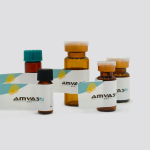
Prebon has accumulated many years of technology to assist the detection of toxins in edible oils. We have mature and stable toxin detection technology and products, we can provide a full matrix of products from aflatoxin standards (internal/external standards), immunoaffinity columns, colloidal gold qualitative test strips, colloidal gold quantitative test cards, fluorescent immunoassay cards, test strips, enzyme immunoassay kits and so on, which are able to quickly and accurately detect the aflatoxin content of oils, and to ensure that the results of the detection of the scientificity and reliability. The products can quickly and accurately detect the aflatoxin content in oil, ensuring the scientific and reliable detection results. Meanwhile, combined with the intelligent management system, real-time uploading and analysis of testing data is realized, providing strong technical support for food safety.
[|Safety Join hands to build a safe future 】
Let’s act together, starting with every cleaning, every inspection, strictly control every link of edible oil tanker transportation. Government, enterprises, consumers, three-way linkage, the formation of synergy, and jointly create a safe and healthy food safety environment.