Pribolab reminds you to be alert to food poisoning in summer!

In recent years, every year in the summer and autumn seasons, rice enzyme acid poisoning occurs from time to time, recently, Yongcheng two women eating cold skin poisoning caused one death and one injury, the patient’s blood and urine were detected in high concentrations of rice enzyme acid; 2021 August, a family of three due to the consumption of a long period of time to soak the wood fungus and lead to rice enzyme acid poisoning, was admitted by the ICU of the hospital.2020 October 2020, a family in Jiedong County, Chixi City, Heilongjiang Province, due to the consumption of sour soup sub In October 2020, a family in Jiedong County, Jixi City, Heilongjiang Province, was admitted to the ICU of a hospital for treatment of poisoning caused by consumption of sour soup seeds, which resulted in the death of nine people who could not be resuscitated.
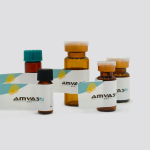
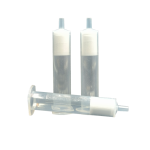
Dangers of Mildly Enzymatic Acid? Which foods may contain MEA if they go bad? The prevention and control of the detection means of MEA? Below you can learn about it.01Overview of MEA MEA is a toxin produced by Pseudomonas aeruginosa subspecies MEA, which can cause food poisoning. It likes to hide in these three types of food: fermented cereal products such as corn starch, fermented glutinous millet, river noodles, patties, cold noodles, rice noodles, etc.; low-quality potato products such as potato vermicelli, sweet potato noodles, taro starch, etc., as well as spoiled or long time soaked silver fungus, fungus. Consumption of food contaminated with acidic toxins from rice enzymes can cause poisoning in humans or animals, with symptoms such as vomiting, nausea, diarrhea, etc., which can lead to death in severe cases, with a lethality rate of more than 40%. In addition, it should be reminded that the rice acid bacterial acid is not afraid of high temperature, 100 ℃ high temperature can not be eliminated, and there is no rapid detoxification of special drugs in medicine. 02MILE BACTERIAL ACID TOXIN DETECTION SOLUTIONMilic acid toxin is not easy to detect, toxicity is strong, the death rate of the characteristics of the high, so the risk of cereals in the processing of food control and prevention and control of the detection of milic acid bacterial acid is particularly important.Pribolab Pribolab provides solutions for the detection of MEA, including liquid chromatography-mass spectrometry/mass spectrometry (LC-MS/MS) and rapid detection of MEA, which can help you respond to the analysis of MEA in a timely manner, quickly establish the method, and quickly complete the testing project. 2.1LC-MS/MS solution Currently, the commonly used methods on the market and the methods specified in the national standard are solid-phase extraction (SPE) column cleanup and liquid-liquid extraction (LLIE) purification methods, which may be faced with complex operation, high consumption of organic reagents, interference, and the need to use the method for the purpose of detection. Based on the shortcomings and limitations of the existing standard methods, Pribolab Technology R&D Center optimized the pretreatment method and established a multi-functional purification column “one-step method” with reference to the National Standard for Food Safety – Determination of Methylferrocenemal Acid in Foods (GB 5009.189-2016), which can be used for liquid-liquid extraction and liquid-liquid extraction. “It can be used in liquid chromatography diode array detector or liquid chromatography tandem mass spectrometry for the detection of zymosanic acid residue in food, which is characterized by simple and rapid pretreatment, environmentally friendly and low consumption of organic reagents, high recovery and good purification effect, and it is suitable for the determination of zymosanic acid in all kinds of food matrices.
A.Liquid phase and liquid mass conditions
B.Analysis of results
The structural formula of rice enzyme bacterial acid contains three carboxyl groups (-COOH), which is more acidic and easily loses protons and becomes negatively charged, and its retention factor and selectivity are greatly affected by pH. When the mobile phase conditions are acidic, ionization can be avoided and thus symmetrical peaks can be obtained. Therefore, methanol+1% water acetate (80:20) was used as the mobile phase for liquid chromatography, with good separation effect and the method detection limit of 0.2 μg/g. In the liquid-quantity detection, 0.1% water formate-acetonitrile was used as the mobile phase, and the same acidic environment suppressed the ionization of the mycolic acid, so that it existed in the form of molecules, and its retention in the reversed stationary phase was enhanced, and the binding with the residual silyl alcohol group in the stationary phase was reduced, which helped to improve the peak shape and the method detection limit. The method was applied to improve the peak shape, and the limit of detection was 0.1 μg/kg.